

Worker’s Museum
Kirstinkuja 4 • 15 April – 1 November 2026 | Wed-Sun 11:00–17:00 • Free entry
The Worker Housing Museum is now the Worker’s Museum! Working-class occupations are featured more prominently in the renewed museum, and visitors can explore the joys and sorrows of the residents from the 1910s to the 1980s.
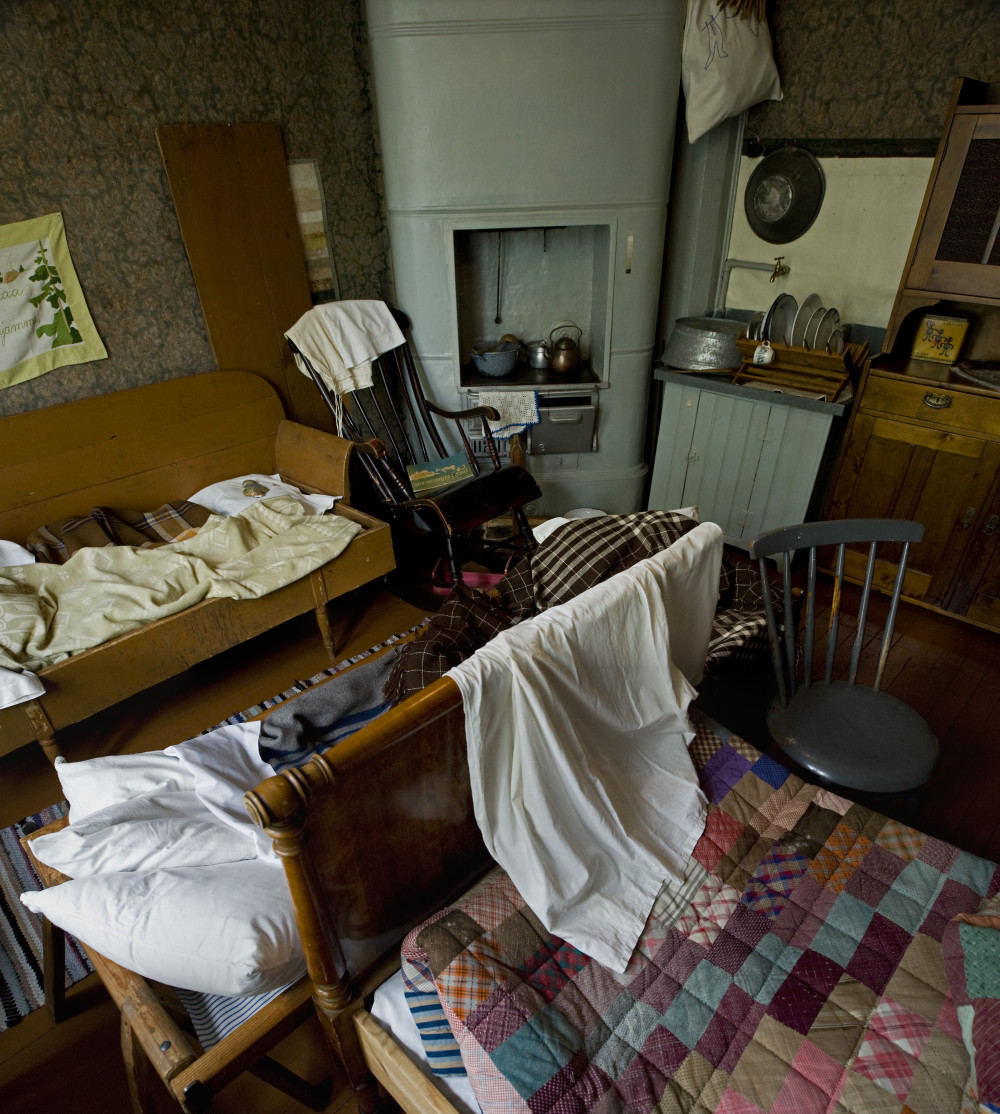
The Worker’s Museum, located in Alppila next to the Linnanmäki amusement park, is one of the oldest wooden houses built for the workers of the City of Helsinki. The nine small stove rooms of the museum have been decorated as homes from different time periods, with interiors that shed light on the joys and sorrows of working class families in 20th century Helsinki.
The residents rush to work, cook food, smuggle spirits, cower from air raids, do homework, rest on their spring beds and celebrate family events. The museum experience is enhanced further by the different soundscapes of the wooden building and the stories of residents of different ages, which the visitors can listen to on their own phone. All the residents are real people who have lived in the house at different times.
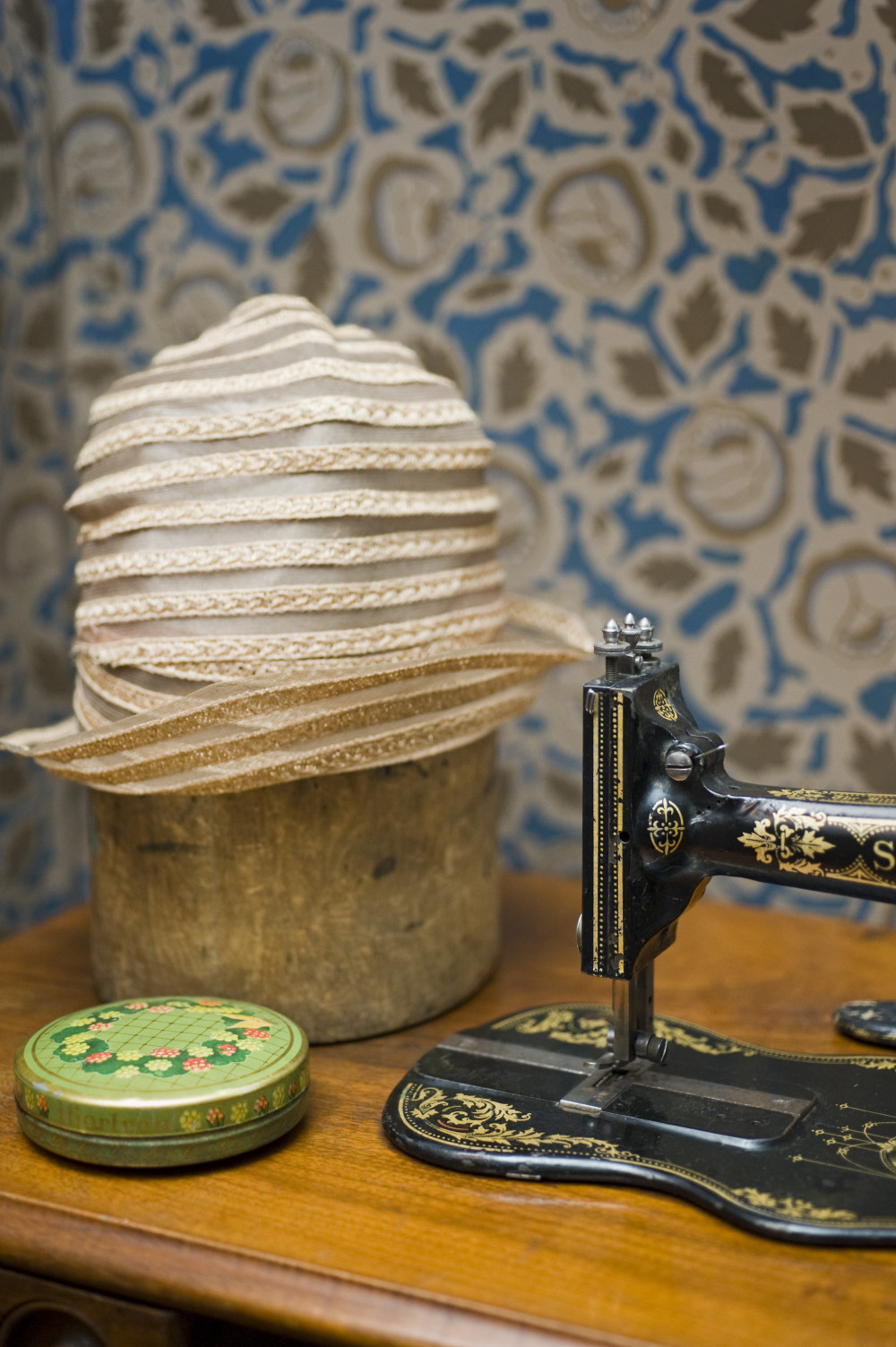
The museum displays both original furniture of the residents and objects selected from the museum collections. The decors of the stove rooms reflect changes in housing in the 20th century – oil lamps were replaced with electric lights, and extendable beds with spring beds. Nearly all homes have a sewing machine, but the gramophone and radio were rare novelties at first.
Opening hours and guided tours
In the summer season, the Worker’s Museum is open from Wednesday to Sunday. You can explore the museum without a guide. Free public guided tours are also available daily, at 11.30 and 15.00 in Finnish and at 13.30 in English. Tours in Swedish are available on Wednesdays at 15.00.
The museum visit starts from the information desk in stairwell A of the building. There you can also find the museum shop and its nostalgic range of products. The museum is not fully accessible.
Nine stove rooms have been decorated as homes from different periods.
Workers’ housing is a rare memory in the densely populated workers’ district which came to stand on the other side of the Pitkäsilta Bridge at the turn of the 20th century. The City of Helsinki had quality housing built in the street then known as Kristiinankatu to improve the conditions of its employees.
The apartments were rented to workers who had been serving the city for a long time, with special emphasis on those with a large family. The rent was high but the inhabitants were satisfied.
Starting from the 1950s, wooden houses quickly disappeared from Kallio, and also the workers’ houses in Kirstinkatu were tagged for demolition in 1966. The houses were allowed to get in a bad condition, and the lifestyle in them became restless.
The buildings weren’t conserved until 1986. Three of them were renovated into modern apartments, and one was turned into the Worker Housing Museum by the City Museum. The well-preserved museum house was repaired, keeping as much of the old as possible. Nine stove rooms were decorated as homes of people who had been living in the building at different periods. In 2025, the museum was updated and renamed the Worker’s Museum.
Photos: Maarit Hohteri / City of Helsinki